

12 Telltale Signs Of Termites In Your Walls
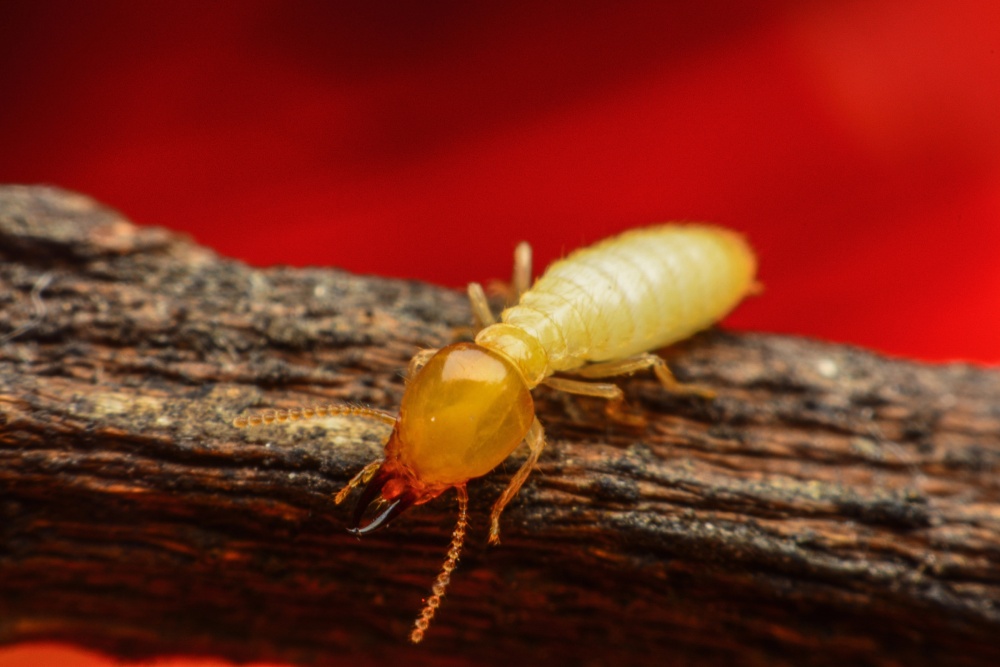
Identifying the earliest signs of termites in walls is essential for preventing costly structural damage and ensuring the safety of your property. Termites work quietly and often stay hidden behind paint, wallpaper, or wooden surfaces, which is why homeowners and building managers must understand what to look for before these pests cause severe destruction.
Why Termites Target Walls
Termites thrive in areas where wood, moisture, and shelter intersect. Wall structures provide these conditions because insulation and framing typically retain heat and humidity.
As a result, termites can chew silently behind the scenes while weakening your wall studs, baseboards, and support systems. Understanding their behavior helps you recognize early warnings and take immediate action through effective termite control strategies.
Hollow or Papery-Sounding Wood
Wood that sounds hollow or papery is one of the most common signs of termites in walls. When termites tunnel, they eat wood from the inside out, leaving only a thin outer layer. When you tap on the wall and notice an echo or a hollow noise, it often indicates internal damage. This issue is especially noticeable around door frames, baseboards, and window trim.
Once you discover hollow wood, you should seek termite control services to prevent further damage. Hollow framing is not just an inconvenience. It is a structural concern that compromises the stability of your walls and ceilings.
Bubbling or Peeling Paint and Wallpaper
If paint or wallpaper appears to bubble, warp, or peel, termites may be active beneath the surface. Many people mistake this for water damage, but excess moisture can actually be caused by termite tunnels disrupting airflow and trapping humidity inside the walls. Since termites thrive in damp environments, visible distortion of your wall coverings can be a strong indicator of infestation.
Do not ignore these changes. Combined with other subtle clues, this could signal that termites have already begun eating through the internal wooden components of your property.
Mud Tubes Along Walls or Foundation
Mud tubes are one of the clearest signs of termites. These tubes are small, straw-like tunnels made from soil, saliva, and termite droppings. Termites construct them to maintain moisture while traveling between their colony and food sources.
You may find mud tubes near your foundation, behind appliances, in crawl spaces, or on basement walls. Because subterranean termites depend on moisture, mud tubes are vital to their survival. If you find them, it is time to call for professional termite control immediately.
Clicking or Tapping Sounds from Inside Walls
Termites are surprisingly noisy. When the colony feels threatened, soldier termites bang their heads against the tunnel walls to alert others. This results in faint clicking or tapping sounds that you may hear when the room is quiet. Worker termites also produce subtle noises as they chew through wood nonstop.
Hearing unusual sounds inside your walls should never be dismissed. Termites operate continuously, so even faint activity should prompt a more thorough inspection of your property.
Frass or Termite Droppings Near Wall Openings
Drywood termites leave behind pellet-like droppings known as frass. These tiny granules resemble sawdust or coffee grounds and often accumulate near holes or cracks where termites push waste out of their tunnels.
Frass indicates active feeding and means termites are currently occupying your walls. Finding these droppings is also one of the clearest signs that you must bring in termite control specialists to prevent the infestation from spreading and causing more damage.
Tight-Fitting Doors and Hard-to-Open Windows
Termite activity increases moisture inside wood, causing it to swell. When this happens, doors or windows may suddenly feel tight, jammed, or misaligned. If the wood around openings expands because of termite damage, it can lead to noticeable shifts in your home’s structure.
Although temperature changes can cause similar issues, you should consider the possibility of termites if sticking doors or windows are accompanied by other concerning signs of termites in the walls.
Discarded Wings Near Walls or Entry Points
Swarmers, the reproductive members of termite colonies, shed their wings after finding a new place to nest. If you see piles of discarded wings on window sills, near baseboards, or around light fixtures, this may indicate the start of a new colony inside your walls.
Discarded wings are a major red flag. They suggest that termites are not only present but actively settling into your property. Quick action and professional termite control services can help prevent rapid expansion of the infestation.
Visible Cracks on Walls or Ceilings
Although many factors can cause cracks, termites weaken the structural integrity of wooden components inside walls. As these elements deteriorate, the walls may shift or slightly sag, resulting in visible cracks. These cracks often start small but expand as the infestation worsens.
Cracks combined with mud tubes, frass, or hollow wood often confirm termite activity. When you detect these issues early, you can address them before your structure faces more extensive harm.
Soft or Damaged Baseboards
Baseboards are usually the first area termites attack because they are low to the ground and close to moisture sources. Pressing on a baseboard and noticing softness, crumbling edges, or peeling surfaces could reveal significant termite tunneling beneath.
Once baseboards begin to break apart, the colony has probably been active for months. This is why seeking termite control becomes urgent at this stage. The longer termites remain undetected, the more expensive and time-consuming the repairs become.
Warped Walls or Uneven Surfaces
Termite damage often leads to subtle warping of walls, causing them to look uneven or bubbled. As termites tunnel through wood, the structural components lose strength and shift slightly. This movement can distort your wall’s appearance.
If you notice unusual warping, contact a termite specialist for a professional assessment. Warped surfaces are not only cosmetic issues. They signal that internal framing may be compromised.
Small Pinholes in Drywall
Termites sometimes create tiny exit holes in drywall. These pinholes are usually about the size of a needle tip. You may also find these holes sealed with a small amount of dirt or frass.
Although small, these holes indicate active tunneling inside your walls. Anytime you spot small punctures along your drywall, especially in combination with other signs of termites in walls, an inspection should follow immediately.
Presence of Live Termites Around Your Property
While many signs are indirect, seeing live termites is the most straightforward indication of infestation. Termites are small, pale, and often move in groups. They may appear near wall cracks, baseboards, or even around electrical outlets.
Termites rarely travel far from their colony without purpose. Seeing them near your walls usually means they have already established themselves inside. This requires immediate intervention from experts trained in termite control.
How to Choose Termite Control Services
Choosing termite control services requires evaluating a company’s experience, treatment methods, and reliability to ensure long term protection for your property. Start by checking whether the provider is licensed, certified, and trained in both inspection and advanced treatment techniques.
Look for companies that offer customized plans based on the type and severity of infestation rather than one-size-fits-all solutions. It also helps to review customer feedback, response time, and warranty or service guarantees. A trustworthy provider should explain their process clearly, offer transparent pricing, and use safe, effective products to eliminate termites and prevent future damage.
Why Identifying Termite Activity Early Protects Your Property
Early detection of termite activity helps prevent expensive structural repairs and protects the value of your property. Recognizing the signs early ensures that you can act before the infestation spreads and weakens your home or building.
At American Pest Solutions, we understand how stressful termite issues can be. Our team uses proven termite treatments, bed bug treatments, and residential pest control solutions to protect your property. With over 10 years of family-owned experience, we take pride in our speed, certifications, knowledge, and quality of service.
Get in touch with us today for a free inspection to get fast, reliable protection from a team you can trust.